Every February and September, the fashion world packs its bags and follows the same route from New York to London, Milan and Paris. This fashion week guide explains how that circuit works, why the shows still matter and how the ideas you see on a catwalk end up in the shops you actually visit. Whether you watch the livestreams, read the reviews or simply want to understand the buzz, the basics are easier than they look.
Think of this fashion week guide as a friendly map: we cover the Big Four cities, the seasonal calendar, the difference between haute couture and ready-to-wear, how trends travel and the easiest ways to follow the shows from your sofa. No invitation required.

Fashion Week Guide at a Glance
- What it is: a week (or so) of runway shows and presentations where designers reveal their next collections to press, buyers and clients.
- The Big Four: New York, London, Milan and Paris, usually held in that order.
- The main seasons: Spring/Summer (SS) shown in September and October, Autumn/Winter (AW, or Fall/Winter) shown in February and March.
- Couture: haute couture weeks take place in Paris in January and July.
- Menswear: dedicated men’s weeks run in January and June, mainly in London, Milan and Paris.
- How to watch: official livestreams, brand websites, social media and runway review sites.
What Is Fashion Week? A Quick History
At its simplest, fashion week is a trade event. Designers show their next collections months before they reach stores so that editors can plan coverage and buyers can place orders. According to the overview on Wikipedia’s fashion week entry, the idea of organised seasonal shows grew out of Paris couture houses presenting to clients, and the modern format took shape in the twentieth century.
New York is often credited with the first organised event: in 1943 publicist Eleanor Lambert launched a “Press Week” so American designers could get attention while wartime travel to Paris was impossible. Over the following decades, national bodies such as the Council of Fashion Designers of America (CFDA), the British Fashion Council, the Camera Nazionale della Moda Italiana and the Fédération de la Haute Couture et de la Mode in France took charge of their official calendars. Any good fashion week guide starts here, because those organisations still decide who shows and when.
The Big Four: New York, London, Milan and Paris
There are now fashion weeks everywhere from Copenhagen to Seoul, Lagos and São Paulo, but four cities still set the international agenda. Each has its own personality, and if you only remember one thing from this fashion week guide, let it be these four names. This part of our fashion week guide gives you a feel for each one.
New York Fashion Week
New York usually opens the season. The official schedule is coordinated by the CFDA, and the city is known for commercial, wearable collections and strong American sportswear: clean tailoring, smart knitwear, polished denim and eveningwear designed for real events. It is also a launchpad for young labels hoping to build a business at home.
London Fashion Week
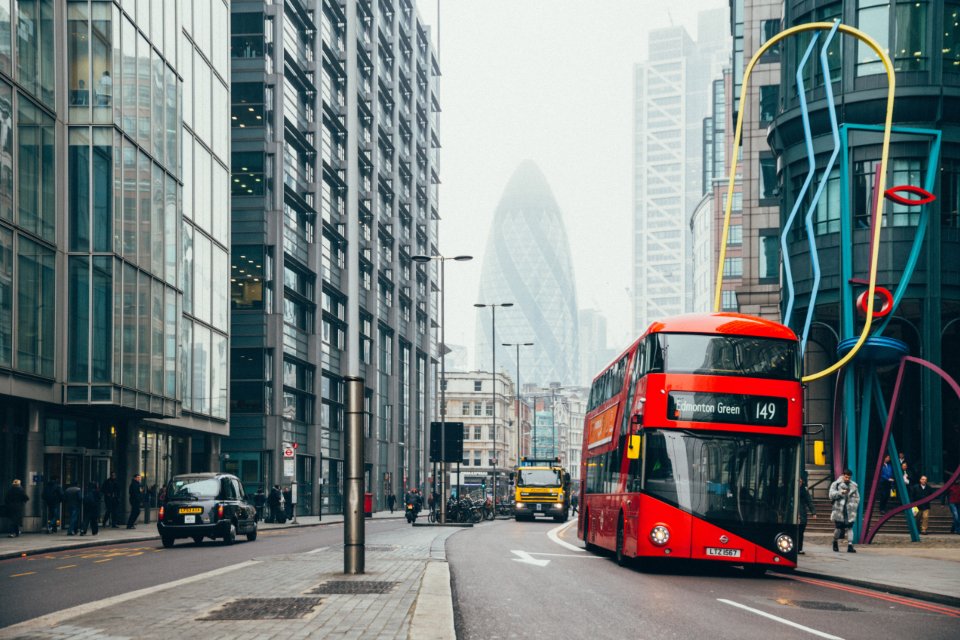
London, organised by the British Fashion Council, has a reputation for creativity and new talent. Graduates of the city’s art schools often make their debut here, and support schemes for emerging designers give the week a playful, experimental energy. If you like surprising silhouettes and clever craft, London is the stop to watch.
Milan Fashion Week
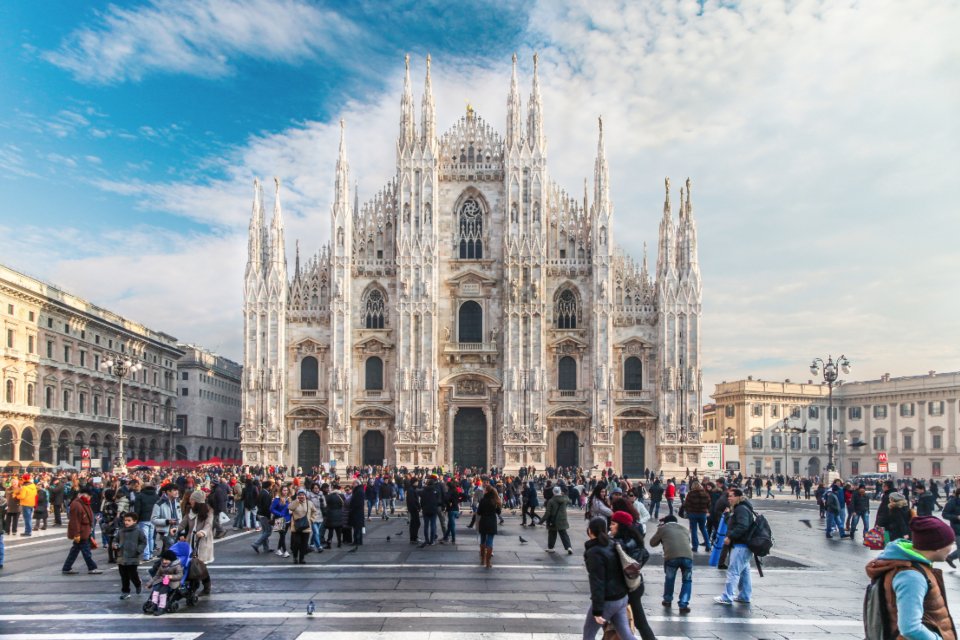
For the Italian chapter of our fashion week guide, think tradition. Milan is the home of Italian luxury, run under the umbrella of the Camera Nazionale della Moda Italiana. Expect impeccable fabrics, leather goods, knitwear and glamorous tailoring from heritage houses with family roots. Many of the biggest Italian brands stage large-scale shows here, so the week often feels like a celebration of craftsmanship.
Paris Fashion Week
Paris usually closes the circuit and is widely seen as the most influential stop. Its calendar, overseen by the Fédération de la Haute Couture et de la Mode, includes French maisons as well as many international designers who choose to show there. Paris is also the only one of the four cities with an official haute couture week, which brings us to the next section of this fashion week guide.

Haute Couture vs Ready to Wear
These two terms come up constantly in show reviews, and they mean very different things.
Haute Couture
Haute couture is made-to-measure fashion sewn largely by hand in a house’s own ateliers. In France the term is protected: only houses that meet the criteria set by the official body, today part of the Fédération de la Haute Couture et de la Mode, can call themselves haute couture houses. Couture shows take place in Paris each January and July, and the pieces are made for a small group of private clients, red carpets and museum collections. Many couture looks take hundreds of hours of handwork.
Ready to Wear (Prêt-à-Porter)
Ready to wear is produced in standard sizes and sold in boutiques, department stores and online. These are the collections you see in the main February and September shows. While they are still expensive designer pieces, they are made in larger numbers and are the source of most of the trends that eventually reach the high street.
Resort and Pre-Fall
Between the main seasons, many luxury houses present resort (also called cruise) and pre-fall collections. These often stay in stores longer than the runway pieces, and some brands stage them as destination shows in unexpected locations around the world.
Understanding the Fashion Week Calendar
The calendar can look confusing because collections are shown about six months before they are worn. Here is the rhythm that every fashion week guide should spell out:
- January: menswear shows (mainly Milan and Paris) and Paris haute couture for Spring/Summer.
- February to early March: women’s ready to wear for Autumn/Winter in New York, London, Milan and Paris.
- June: menswear for the following Spring/Summer.
- July: Paris haute couture for Autumn/Winter.
- September to early October: women’s ready to wear for the next Spring/Summer.
A quick tip from our fashion week guide: labels such as SS25 or AW25 tell you the season and year the clothes are meant for, not the date of the show. Some brands now combine men’s and women’s lines in one show or move between cities, so always check the official schedules on each organiser’s website.
How Trends Travel from Runway to Stores
The catwalk is the start of a long journey. Understanding that journey is the most useful part of any fashion week guide, because it explains why certain colours or shapes suddenly appear everywhere.
1. Editors and Buyers Filter the Ideas
After the shows, magazine editors build trend reports and department store buyers decide which pieces to order. Their choices shape what the public sees first, whether in a print story or on a shop floor.
2. Celebrities and Street Style Amplify Them
Red carpet appearances and the street style photographed outside the shows put new looks in front of millions of people within hours. Social media has made this step almost instant.
3. The High Street Interprets Them
Mass-market retailers then translate the most popular ideas, such as a colour, a silhouette or a detail, into affordable versions. Some brands have even experimented with “see now, buy now” collections that are available the moment they appear on the runway.
4. You Make Them Your Own
The final step happens in your own wardrobe. The advice in this fashion week guide is simple: rather than copying a look head to toe, pick one element you love and add it to the classics you already own. For ideas, browse our fashion section.
How to Follow Fashion Week from Home
You do not need a front-row seat. These simple habits turn this fashion week guide into a practical routine:
- Bookmark the official calendars. Each organiser publishes a schedule with show times and livestream links.
- Watch the livestreams. Most major houses stream their shows on their websites and social channels.
- Read runway reviews. Fashion publications and runway archives post full galleries and critic reviews within hours.
- Follow street style photographers. They capture how editors and guests wear current-season pieces in real life.
- Note recurring themes. When the same colour or shape appears in several cities, it is likely to become a major trend.
- Look at the accessories. Bags, shoes and jewellery often reach stores faster than clothing and are an easy way to try a trend. Our guide to the best designer crossbody bags is a good starting point.
A Fashion History Book Worth Owning
If this fashion week guide has sparked your curiosity, a well-illustrated reference book is a great way to learn the names behind the collections. Phaidon’s The Fashion Book is an A to Z of designers, photographers, models and brands, each with a featured image, and it makes a handsome coffee table book for any style lover.
The Fashion Book: Revised and Updated Edition (Phaidon)
- A to Z of designers, photographers, models and brands
- Each entry illustrated with a featured image
- A handsome coffee table reference
Fashion Week Guide to Etiquette and Vocabulary
No fashion week guide is complete without a little jargon. A few terms will help you read reviews like an insider:
- Look: one complete outfit shown on the runway, usually numbered in the show notes.
- Front row: the most prominent seats, traditionally given to top editors, buyers and celebrities.
- Presentation: a static or installation-style showing instead of a traditional catwalk.
- Showroom: where buyers see the collection up close and place orders after the show.
- Debut: a designer’s first collection for a house, often the most talked-about event of the season.
Frequently Asked Questions
How often does fashion week happen?
The main women’s ready-to-wear weeks happen twice a year, in February and March and in September and October. Menswear and haute couture follow their own twice-yearly schedules, so there is a fashion week somewhere in the world most months.
Can the public attend fashion week?
This is the question our fashion week guide hears most. Most shows are invitation-only for press, buyers and clients. However, some cities run public events, ticketed experiences or open-air screenings, and nearly every major show is livestreamed for free.
What is the difference between SS and AW?
SS stands for Spring/Summer and AW for Autumn/Winter (also called Fall/Winter). Collections are shown about six months ahead, so AW clothes are presented in February and SS clothes in September.
Which fashion week is the most important?
Each city plays a different role, but Paris is widely seen as the most influential because of its haute couture week and the number of major houses on its schedule. That is why our fashion week guide treats it as the grand finale.
Final Thoughts
Fashion week can look like an exclusive world, but the logic behind it is simple: designers show ideas early, the industry filters them and, months later, they arrive in our wardrobes. Use this fashion week guide to follow the Big Four with confidence, spot trends early and decide which ones are truly for you. If a runway moment inspires you to treat yourself, browse our edit of the best watches for women or our picks for the best jewelry gifts for women.