Few cities live up to their legend quite like Paris. The light on the Seine, the smell of fresh bread drifting out of a boulangerie, the thrill of turning a corner and seeing the Eiffel Tower: it is a place that rewards slow wandering as much as big-ticket sightseeing. This Paris travel guide brings together everything you need to plan a first visit, or a long-awaited return.
Below you will find the best time to go, the neighbourhoods worth exploring, the must-see sights, café and food culture, shopping streets, how to get around and the little etiquette tips that make a big difference. We finish with a simple three-day itinerary. Details such as opening days, ticket rules and events change often, so always confirm the latest information on official websites before you go.
Paris Travel Guide at a Glance
- Best time to visit: spring and early autumn for mild weather and fewer crowds
- Where to stay: Le Marais, Saint-Germain-des-Prés or the Latin Quarter for first-timers
- Must-see sights: the Louvre, Musée d’Orsay, the Eiffel Tower and Sainte-Chapelle
- Getting around: the Métro, plus plenty of walking
- Golden rule: always say “Bonjour” when you walk into a shop or café
- Plan ahead: book major museums and monuments in advance on their official sites
Best Time to Visit Paris
Paris is a year-round destination, but each season has its own mood. Any good Paris travel guide will tell you that spring and early autumn are the sweet spots.
Spring (April to June)
Chestnut trees bloom, café terraces fill up and the parks look their best. Days are getting longer, which means more time to explore on foot. It is a popular season, so book accommodation early.
Summer (July and August)
Summer brings long evenings and picnics along the Seine, but also the biggest crowds at major sights. In August many Parisians go on holiday, so some smaller shops and family-run restaurants close for a few weeks while the city feels quieter.
Autumn (September to October)
Early autumn is a favourite for many travellers: the weather is often still pleasant, the cultural season starts again and the city returns to its everyday rhythm.
Winter (November to March)
Winter is cooler and greyer, but you get shorter queues, cozy cafés and festive lights in December. It is a great time for museums, galleries and long lunches.
The Best Paris Neighbourhoods to Explore
Paris is divided into 20 arrondissements (districts) that spiral outward from the centre like a snail shell. Each one has its own character, and in this Paris travel guide we focus on the areas first-timers love most. Choosing a base is one of the most important decisions you will make.
Le Marais
Spread across the 3rd and 4th arrondissements, Le Marais is a maze of medieval lanes, elegant mansions, independent boutiques and galleries. Don’t miss the Place des Vosges, the oldest planned square in Paris, or the falafel shops around Rue des Rosiers. The Musée Picasso is here too.
Saint-Germain-des-Prés
On the Left Bank, the 6th arrondissement is classic Paris: literary cafés such as Café de Flore and Les Deux Magots, antique dealers, chic boutiques and the beautiful Luxembourg Gardens nearby. It is ideal for travellers who want elegance and easy walks to many sights.
Montmartre
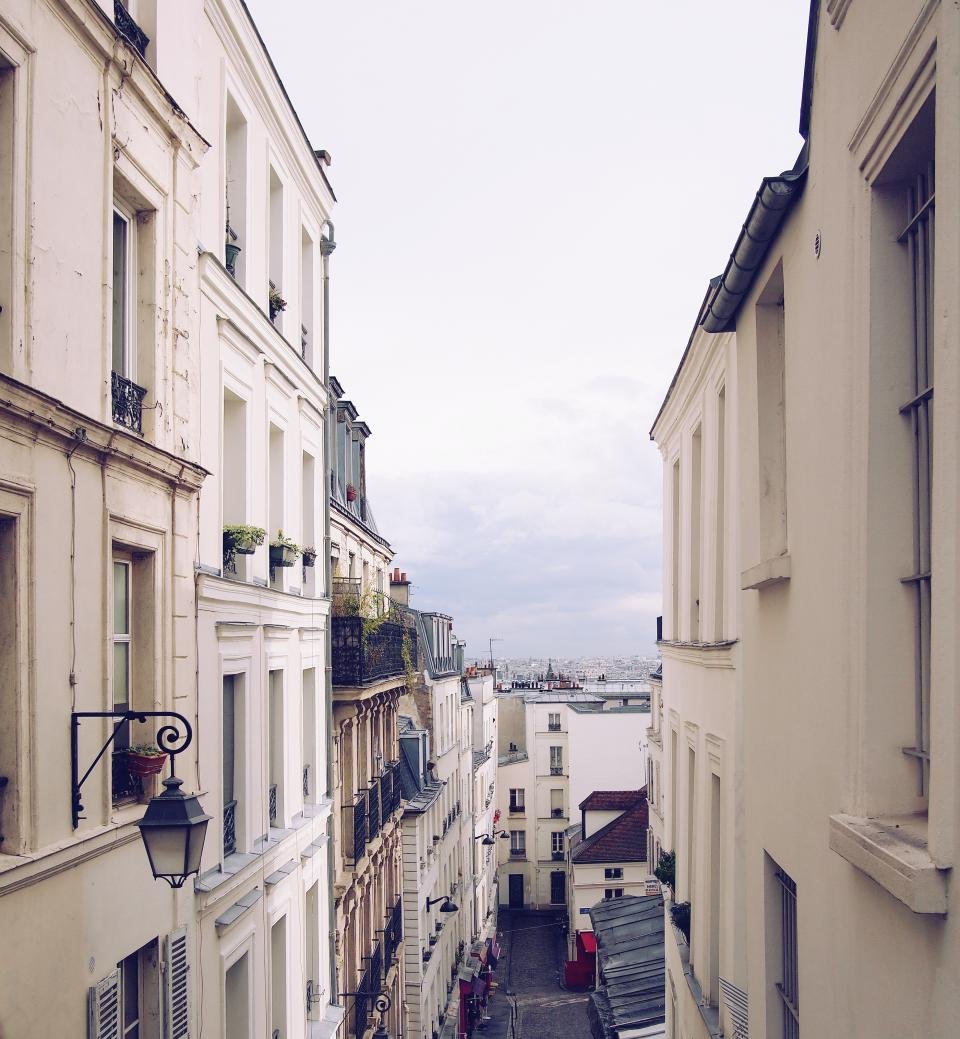
Perched on a hill in the 18th arrondissement, Montmartre is crowned by the white Sacré-Cœur Basilica. Its winding streets and stairways were home to artists such as Picasso and Renoir, and the Place du Tertre is still full of painters. Go early in the morning for the quietest views over the city.
The Latin Quarter
The 5th arrondissement is home to the Sorbonne, the Panthéon and the much-loved Shakespeare and Company bookshop. It has a lively student energy and plenty of affordable places to eat.
Canal Saint-Martin
In the 10th arrondissement, the tree-lined canal with its iron footbridges is where locals meet for coffee, natural wine and picnics. It is a relaxed contrast to the grand boulevards.
Must-See Sights in Paris
You could spend weeks seeing the landmarks. These are the essentials that top every Paris travel guide and most first-time visitors put on their list.
The Louvre
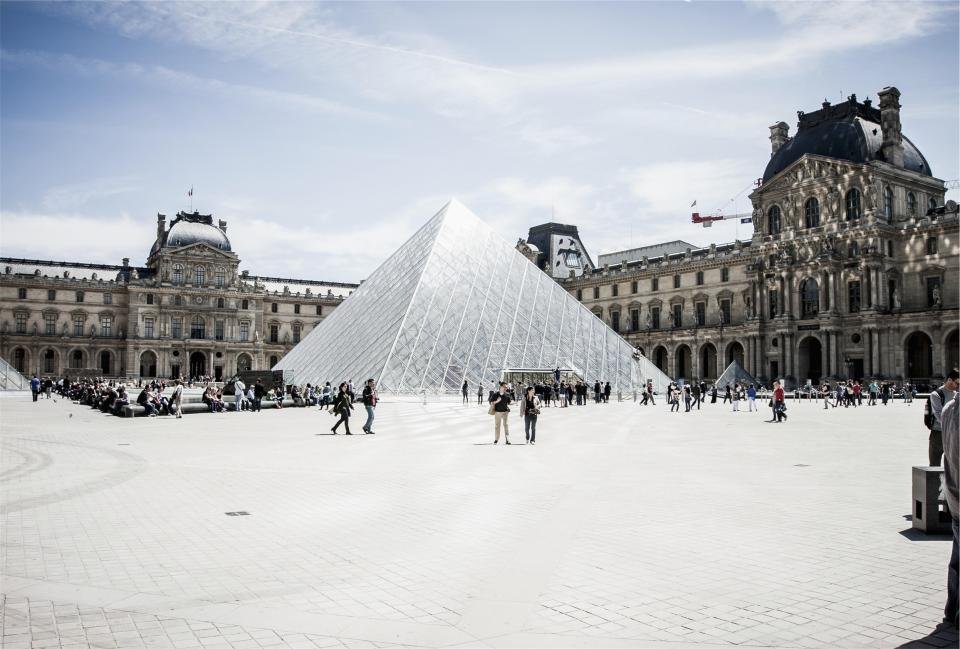
The Louvre is the most visited museum in the world, a former royal palace that holds the Mona Lisa, the Venus de Milo and the Winged Victory of Samothrace. The glass pyramid by architect I. M. Pei opened in 1989. Pick a few galleries rather than trying to see everything in one visit.
Musée d’Orsay
Set inside a spectacular former railway station on the Left Bank, the Musée d’Orsay is famous for its Impressionist and Post-Impressionist collection, with works by Monet, Renoir, Degas and Van Gogh. Nearby, the Musée de l’Orangerie displays Monet’s Water Lilies murals.
The Eiffel Tower
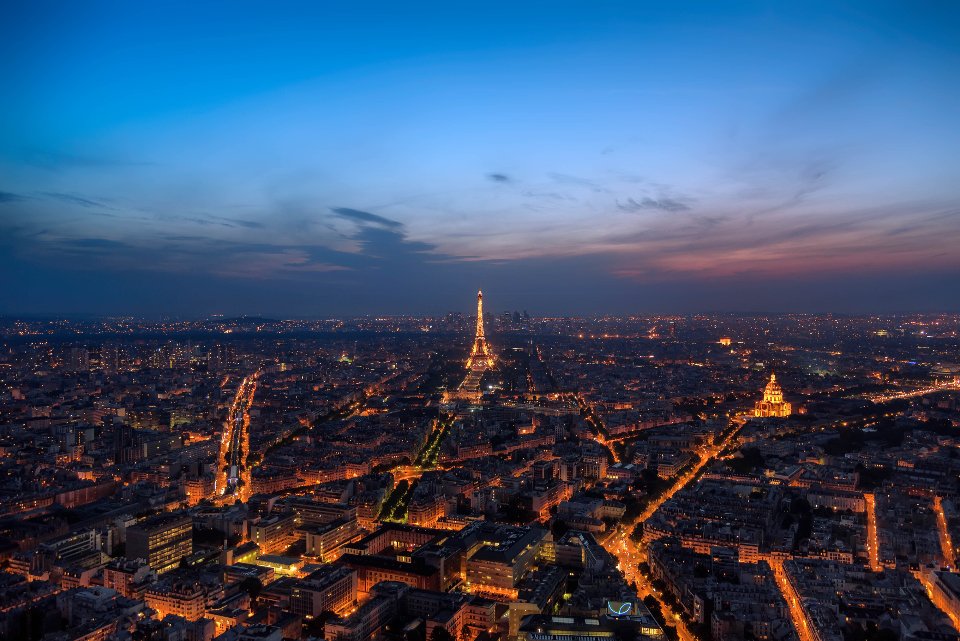
Built for the 1889 World’s Fair, the Eiffel Tower was once criticised by many Parisians and is now the symbol of the city. You can go up, but some of the best views are from below: try the Trocadéro gardens or the Champ de Mars, and stay to see it sparkle after dark.
Sainte-Chapelle
This 13th-century Gothic chapel on the Île de la Cité is a jewel box of stained glass. Visit on a sunny day, when light pours through the windows and fills the upper chapel with colour. Notre-Dame Cathedral is just a short walk away.
The Arc de Triomphe and the Champs-Élysées
Climb the Arc de Triomphe for a view down the famous avenue and across the twelve avenues radiating from it, then stroll down the Champs-Élysées towards the Place de la Concorde and the Tuileries Garden.
Paris Café and Food Culture
Eating well is one of the great joys of any trip to France, and a section on food is essential in a Paris travel guide.
How Café Life Works
The café is the city’s living room. Order “un café” and you will get a small espresso; a “café crème” is closer to a latte. Locals often stand at the counter for a quick coffee or sit on the terrace facing the street to people-watch. Nobody will rush you, so when you are ready, ask for “l’addition, s’il vous plaît”.
Bakeries, Bistros and Markets
Start the day with a croissant or pain au chocolat from a local boulangerie, and pick up a baguette for a picnic later. For lunch, many bistros offer a set menu of the day. Food markets, such as the covered Marché des Enfants Rouges in Le Marais, are perfect for cheese, fruit and ready-to-eat dishes.
Sweet Treats
Leave room for crêpes, macarons, éclairs and a scoop of ice cream on the Île Saint-Louis. A pâtisserie window in Paris is as beautiful as any gallery.
Dining Tips
Dinner usually starts later than in many countries, often from around 7.30 or 8 pm. Book popular restaurants ahead, and remember that service is included in the bill in France, so leaving a little extra is a kind gesture rather than an obligation.
Shopping in Paris
Paris is one of the fashion capitals of the world, and shopping here ranges from couture to flea markets. These are the streets our Paris travel guide recommends for style lovers.
- Rue du Faubourg Saint-Honoré and Avenue Montaigne: the heart of luxury fashion houses.
- Galeries Lafayette Haussmann: a grand department store with a stunning glass dome and a rooftop view.
- Le Bon Marché: an elegant Left Bank department store with a famous food hall.
- Le Marais: independent designers, concept stores and vintage shops.
- Rue des Martyrs: a charming street of food shops and small boutiques near Montmartre.
Looking for a souvenir that feels truly Parisian? A fragrance is a classic choice: browse our guide to the best luxury perfumes for women for inspiration before you go.
Getting Around Paris
Transport is simple once you know the basics, and this part of the Paris travel guide covers them.
The Métro
The Paris Métro is fast, frequent and reaches almost everywhere in the city, with stations rarely more than a short walk apart. The RER suburban trains connect the centre with the airports and day-trip destinations such as Versailles. Check the official transport operator for current ticket options before you travel.
Walking, Bikes and Buses
Paris is compact and best explored on foot, especially along the Seine. The Vélib’ bike-share system and city buses are good alternatives, and buses let you see the streets as you travel.
Stay Safe
Like any big city, Paris has pickpockets in crowded spots and on busy Métro lines. Keep valuables close; a zip-top crossbody bag is ideal. See our picks of the best designer crossbody bags for stylish options.
Paris Etiquette Tips
Good manners go a long way. No Paris travel guide is complete without these local customs.
- Say “Bonjour, madame” or “Bonjour, monsieur” when entering a shop, and “Merci, au revoir” when leaving.
- Learn a few basic French phrases; even a small effort is appreciated.
- Keep your voice low on public transport and in restaurants.
- Smart-casual clothing fits in almost everywhere; comfortable but polished shoes are essential.
- Don’t expect the bill to arrive automatically; ask for it when you are ready.
- Many museums close one day a week, so check official sites before planning each day.
A Sample 3-Day Paris Travel Guide Itinerary
This flexible plan from our Paris travel guide groups sights by area so you spend more time exploring and less time in transit.
Day 1: Islands, Left Bank and the Eiffel Tower
Begin on the Île de la Cité with Sainte-Chapelle and the outside of Notre-Dame. Cross to the Latin Quarter and browse Shakespeare and Company, then have lunch in Saint-Germain-des-Prés and walk through the Luxembourg Gardens. In the afternoon, visit the Musée d’Orsay, and end the day watching the Eiffel Tower sparkle from the Trocadéro.
Day 2: The Louvre and the Grand Boulevards
Spend the morning at the Louvre, then stroll through the Tuileries Garden to the Place de la Concorde. Walk up the Champs-Élysées to the Arc de Triomphe, or detour to Galeries Lafayette for shopping and a rooftop view. Finish with dinner at a classic bistro.
Day 3: Le Marais and Montmartre
Explore Le Marais in the morning: the Place des Vosges, boutiques and lunch at the Marché des Enfants Rouges. In the afternoon, head north to Montmartre, climb up to Sacré-Cœur, watch the painters at the Place du Tertre and enjoy a final apéritif as the sun sets over the rooftops.
Recommended Paris Guidebook
A printed Paris travel guide is handy for walking tours and offline maps. Rick Steves Paris is a popular choice with travellers who like detailed, practical advice.
- Detailed guidebook by travel writer Rick Steves
- Self-guided walks and museum tours
- Practical planning advice and maps
For official, up-to-date information on events, museums and transport, visit the official Paris tourism website, and use this Paris travel guide as your inspiration.
Frequently Asked Questions
How many days do you need in Paris?
Three to four days is enough to see the main sights and get a feel for a few neighbourhoods. With a week, you can slow down, visit more museums and add a day trip to Versailles or Giverny.
What does a Paris travel guide recommend for first-timers?
The best areas to stay are Le Marais, Saint-Germain-des-Prés and the Latin Quarter. They are central, walkable and close to many sights, which makes them easy bases for a first trip.
Do I need to speak French in Paris?
No, many people in tourist areas speak some English. Still, starting every conversation with “Bonjour” and learning a few polite phrases will make your visit warmer.
Should I book museums in advance?
Yes, for major sights such as the Louvre and the Eiffel Tower, booking a time slot on the official website is strongly recommended. Rules change, so check before you travel, as any Paris travel guide should remind you.
Final Thoughts
Paris is a city to savour: a morning coffee on a terrace, an afternoon among masterpieces and an evening walk along the river. Use this Paris travel guide to plan the essentials, then leave space for the unexpected, because that is where the city’s magic often lies. For more travel and lifestyle ideas, explore our Travel and Food section, and complete your Paris look with one of the best watches for women.